
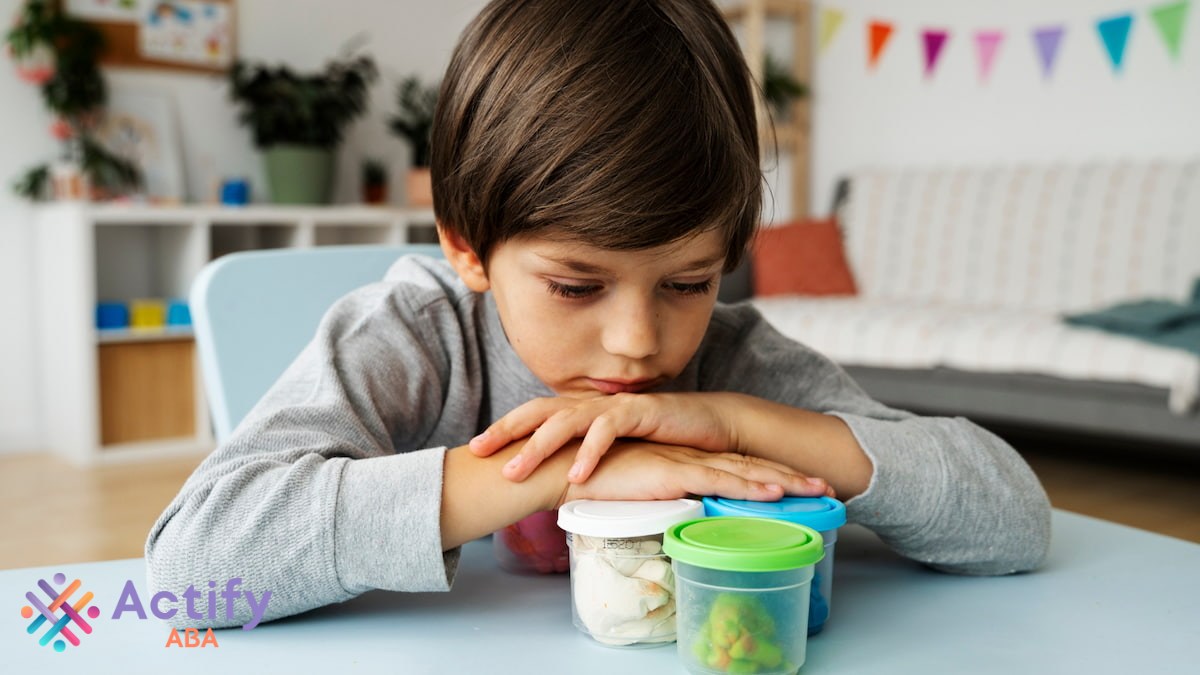

Trauma-Informed Autism Therapy: Gentle, Child-Led ABA Strategies for Emotional Safety
Key Points Understanding Trauma-Informed ABA Applied Behavior Analysis (ABA) is a well-established, evidence-based approach that supports skill development in children with autism. Trauma-informed ABA enhances these practices by integrating an

ABA Controversy Explained: Understanding Neurodiversity and ABA
Key Points: The Core Concerns: Why ABA Is Criticized Applied Behavior Analysis (ABA) has long been one of the most widely used therapies for autistic children. Yet, the question of

Autism Therapy Comparison: ABA vs Speech Therapy, OT, and Floortime
Key Points: When it comes to autism therapy, parents and caregivers often wonder which approach is best… When it comes to autism therapy, parents and caregivers often wonder which approach

Telling Relatives About Autism: A Guide for Families and Grandparents
Key Points: What Is Autism? Helping Families Understand… Autism is a lifelong neurodevelopmental difference that affects how a person thinks, communicates, and experiences the world. Autism exists on a spectrum,

Autism Bullying Signs: School Bullying Prevention and Advocating for Your Child’s Social Safety
Key Points: Why Autistic Children May Be Bullied More Often Research shows that bullying is a painful, traumatic reality for many autistic children. Differences in communication, social interaction, sensory needs,

Supporting Autistic Preteens: ABA Strategies for Autism Puberty Changes
Key Points: Why Puberty Can Be More Challenging for Kids with Autism Puberty introduces rapid physical growth, hormonal fluctuations, and new social rules all at once. For autistic children, these

Autism School Avoidance: Strategies for School Refusal, Separation Anxiety, and Behavior Challenges
Key Points: Why Kids With Autism Refuse School Research from the National Library of Medicine shows that school absenteeism is a significant issue for autistic children and their families, often
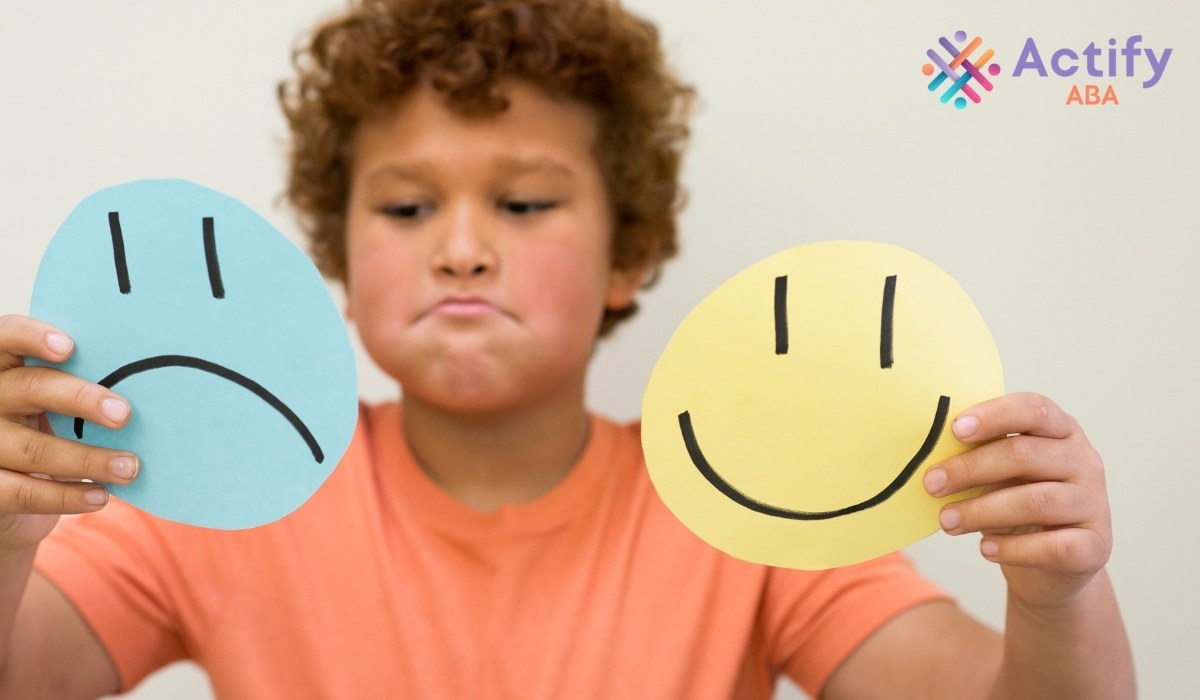
Sensory-Friendly Back-to-School Strategies for Anxious Children With Autism
Key Points: Why Going Back to School Can Feel Overwhelming for Kids With Autism For many children with autism, going back to school after a break can feel overwhelming and

Functional Behavior Assessment Autism: BIPs, Behavior Intervention Plan Examples, and School Support
Key Points: Children with autism may show behaviors that affect learning or daily routines. A functional behavior assessment uses evidence-based ABA methods to understand why these behaviors occur, viewing behavior