
Exploring the Link Between ABA Therapy and Behavior Modification
Learn about behavior modification and Applied Behavior Analysis (ABA) to address behavioral changes.

Learn about behavior modification and Applied Behavior Analysis (ABA) to address behavioral changes.

Discover effective ABA parent training resources, including guides, lesson plans, and expert strategies to support parents in improving child behavior and skills.
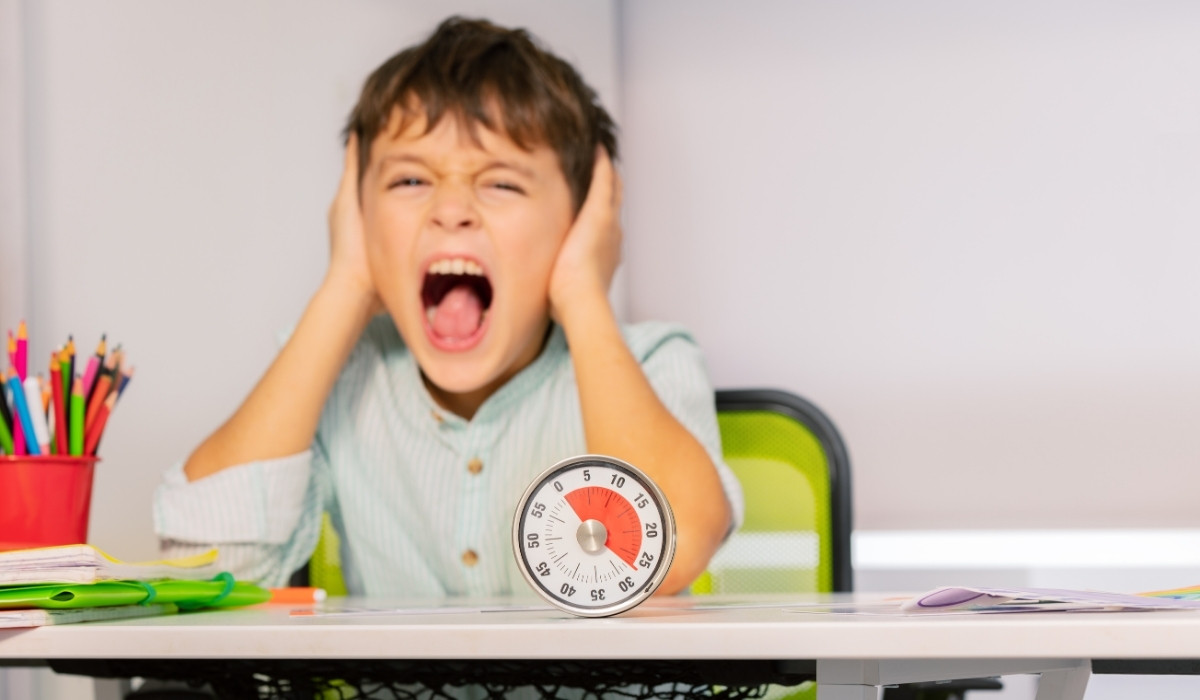
Escape behavior in ABA therapy refers to behaviors used to avoid or escape tasks or demands, often as part of a learning process.
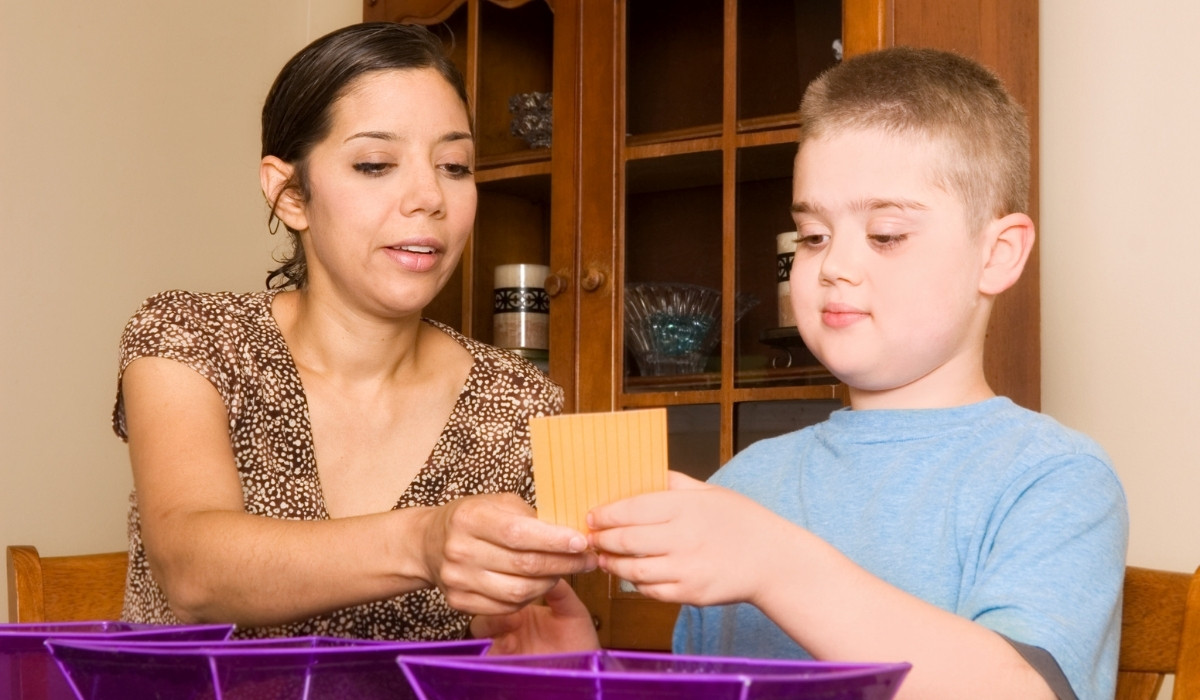
Learn about stimulus control in ABA therapy, including examples, definitions, and how it works in applied behavior analysis.
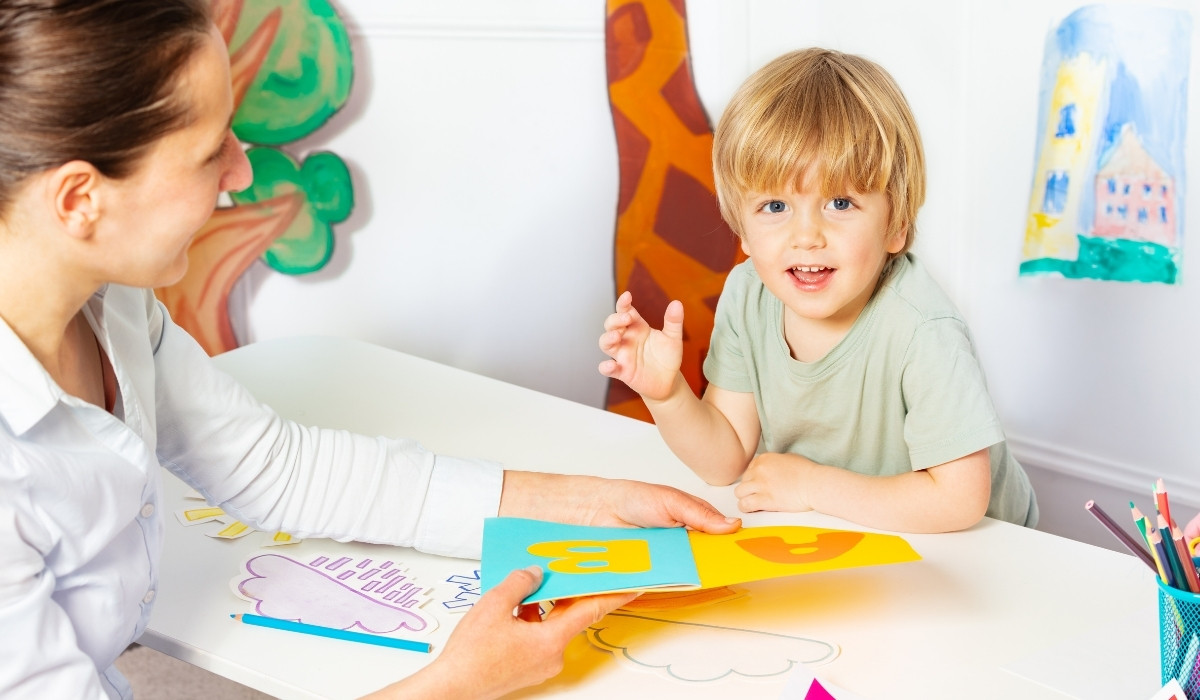
Learn about extinction in ABA, including real-life examples and strategies used to stop reinforcing certain behaviors in therapy.

Key Points: Every parent wants their child to be independent, but getting there can feel overwhelming. Whether it’s brushing teeth, getting dressed, or making a request, some skills require extra guidance. That’s where most to least prompting comes in—a structured ABA method that helps children learn step by step. But how does it work, and […]

Key Points: Everyday tasks like buttoning a shirt, making eye contact, or following a schedule can be challenging for children with autism. But with the right goals in place, progress is possible. A well-designed Individualized Education Program (IEP) can turn these challenges into victories, helping children build confidence and independence over time. What Are Life […]

Key Points: Autism is more than a diagnosis—it’s about understanding and embracing differences. The way we talk about autism influences how we interact with and support those affected by it. As awareness grows, so does the language we use, which plays a vital role in fostering respect and inclusivity. What is the Preferred Language Around […]

Key Points: Managing emotions and behaviors is challenging for many children, especially those with autism. Self-regulation is key to their success. ABA therapy equips children with essential skills to better control their responses, helping them build confidence and independence, and improve interactions with others, both at school and home. What is Self-Regulation in ABA Therapy? […]

Key Points: Communication goes beyond words—it’s about making needs known. For children with autism, learning to mand is the key to gaining independence and connecting with others. Whether through words, signs, or pictures, manding helps them take the lead in expressing their wants. What is Manding in Autism? Manding is the act of requesting something […]