

Key Points:
- Autism can make recognizing and managing depression more complex, but targeted strategies can help.
- Practical, evidence-based coping techniques—ranging from structured routines to therapy and self-care—can support emotional wellbeing.
- ABA therapy can play a critical role in addressing communication challenges, emotional regulation, and social skills that impact depression.
Understanding the Connection Between Autism and Depression
Living with autism comes with unique challenges, and sometimes these challenges can contribute to feelings of sadness, low motivation, or depression. Research shows that individuals with autism are at a higher risk for depression than the general population, often due to difficulties with social communication, sensory sensitivities, and changes in routine.
Recognizing depression in autistic children or teens can be difficult because symptoms may look different than in neurotypical peers. For example, a child may withdraw from activities they once enjoyed, have more frequent meltdowns, or display changes in sleep or appetite.
Understanding this connection is the first step in helping your child navigate depression. While it’s natural to feel overwhelmed, there are practical strategies that can make a real difference.
With awareness as a foundation, there are practical, evidence-based strategies that can help your child manage low mood, build emotional resilience, and thrive. The following approaches focus on predictable routines, emotional expression, social connection, physical activity, ABA therapy, mindfulness, sleep, motivation, professional support, and open communication to create a holistic framework for wellbeing.
1. Establish Predictable Routines
A consistent daily routine can reduce stress and uncertainty, which are common triggers for depressive episodes in autistic individuals. Predictable schedules help children feel safe and in control, minimizing anxiety that can contribute to low mood.
- Morning and evening rituals: Start and end the day with familiar activities. This can be as simple as brushing teeth, choosing clothes, and having a set breakfast or bedtime routine. Predictable transitions help reduce overwhelm.
- Visual schedules: Using charts, apps, or picture-based planners allows your child to anticipate what’s coming next, which reduces anxiety-driven depression.
- Flexible yet structured: While routines are important, teach your child to handle small deviations gradually, helping them cope with change without triggering negative emotions.
2. Prioritize Emotional Expression
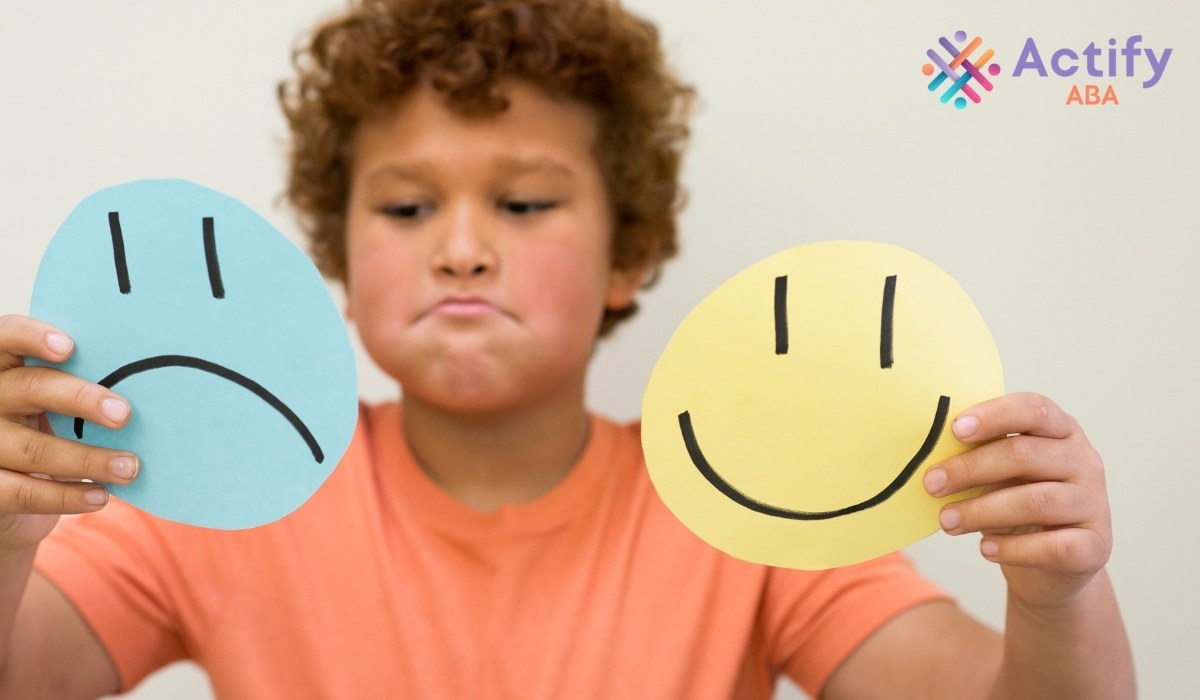
Autistic children often struggle to identify and express feelings, which can worsen depression. Teaching emotional literacy and providing safe outlets for expression can improve mood.
- Emotion cards or charts: Visual aids help children label feelings and communicate them to caregivers or therapists.
- Journaling or drawing: Encouraging your child to write or draw their feelings provides an alternative to verbal expression.
- Modeling expression: Show your own emotions in safe ways. Children learn by observing how adults handle sadness, frustration, or disappointment.
3. Promote Social Connection Carefully
Depression is often linked to isolation, but social interaction can be challenging for autistic individuals. Structured and positive social experiences can improve mood.
- Small, predictable groups: Start with one or two peers in familiar settings to avoid overwhelming your child.
- Interest-based interactions: Activities centered around your child’s passions, such as gaming, art, or robotics, provide natural opportunities for connection.
- Social scripts: Prepare your child with phrases or topics to discuss, reducing anxiety about social engagement.
4. Encourage Physical Activity
Exercise isn’t just for physical health—it’s a powerful mood booster. For autistic children, physical activity can also improve sensory regulation and sleep.
- Routine movement breaks: Short sessions of stretching, jumping, or dancing during the day can relieve tension and boost serotonin.
- Structured sports or classes: Activities like swimming, martial arts, or horseback riding provide physical exercise along with social learning.
- Family activity time: Walking, biking, or simple backyard games offer both bonding and movement, supporting emotional wellbeing.
5. Build Coping Skills Through ABA Therapy
Applied Behavior Analysis (ABA) therapy isn’t only for teaching academics or daily living skills. ABA can help autistic children develop emotional regulation strategies, communication skills, and adaptive coping mechanisms that reduce depressive symptoms.
- Functional communication training: Teaching children to ask for help or express distress reduces frustration and negative behaviors.
- Behavioral interventions for mood: Therapists can implement structured approaches to reinforce positive coping skills and manage emotional outbursts.
- Individualized strategies: ABA programs are tailored to each child’s strengths and challenges, providing targeted support for mental health alongside skill-building.
6. Implement Mindfulness and Relaxation Techniques
Mindfulness and relaxation strategies can help autistic children manage intrusive thoughts, anxiety, and low mood, making depression more manageable.
- Guided breathing exercises: Simple, visual or auditory instructions can teach deep breathing and stress reduction.
- Progressive muscle relaxation: Step-by-step tension and release exercises help children recognize bodily cues related to stress and depression.
- Sensory-friendly mindfulness: Use weighted blankets, fidget tools, or calming sounds to make mindfulness accessible and enjoyable.

7. Support Sleep Hygiene
Poor sleep can exacerbate depression in autistic children. Establishing healthy sleep habits is essential for emotional regulation.
- Consistent sleep schedule: Going to bed and waking up at the same time each day stabilizes circadian rhythms.
- Pre-sleep routine: Activities like reading, dimming lights, or using white noise signal the body it’s time to rest.
- Limit screen time: Avoid stimulating screens at least an hour before bed to improve sleep quality.
8. Use Positive Reinforcement and Motivation
Autistic children with depression may struggle with motivation or self-esteem. Positive reinforcement can encourage engagement in enjoyable and beneficial activities.
- Reward systems: Simple tokens, stickers, or verbal praise reinforce effort and participation.
- Celebrate small wins: Highlighting even minor achievements boosts self-esteem and reduces depressive feelings.
- Encourage mastery: Focus on skill-building activities your child enjoys, creating a sense of competence and accomplishment.
9. Collaborate with Mental Health Professionals
A multidisciplinary approach often yields the best results. Combining ABA therapy with psychological support ensures a comprehensive treatment plan.
- Therapists specializing in autism: They understand how depression presents differently in autistic children and can tailor interventions.
- Family counseling: Engaging caregivers in therapy helps maintain consistency at home and strengthens support networks.
- Medication when necessary: In some cases, antidepressants may be appropriate, but should always be considered alongside therapy and under professional supervision.

10. Maintain Open Communication at Home
Parents play a critical role in noticing early signs of depression and supporting their child’s emotional needs. Open communication fosters trust and reduces feelings of isolation.
- Regular check-ins: Short daily conversations about feelings help identify mood changes early.
- Non-judgmental listening: Let your child share thoughts without fear of criticism or dismissal.
- Collaborative problem-solving: Work together to brainstorm solutions to challenges, encouraging autonomy and confidence.
Taking the Next Step with ABA Therapy
Addressing depression in autistic children requires more than general advice—it calls for structured, individualized support. ABA therapy can help children develop emotional regulation, communication, and coping skills, all of which reduce depressive symptoms.
At Actify ABA, our programs are designed to meet each child where they are, focusing on practical strategies that improve everyday life and emotional wellbeing. Parents in Maryland can access personalized ABA therapy in Maryland to support their child’s mental health while building essential life skills.
Contact us today to start a plan tailored to your child’s needs.
