

Key Points:
- Daily autism awareness grows through small actions that build understanding, kindness, and inclusion.
- Families and communities create support by celebrating differences and meeting sensory needs daily.
- Everyday awareness encourages empathy, early intervention, and accessible spaces for autistic individuals.
Every April 2nd, the world celebrates World Autism Awareness Day. The United Nations approved this day to encourage understanding and acceptance of autism. This year marks the 18th celebration. While April 2nd is the official day, the idea behind Everyday is Autism Awareness Day is to make awareness part of daily life.
Many organizations extend this work throughout Autism Awareness Month. They share stories, educate communities, highlight autistic experiences, and increase support. The goal is simple: build acceptance, encourage inclusion, and create real-world support for people on the spectrum.
True understanding doesn’t happen in one day. It grows through curiosity, empathy, and open conversations. Small daily choices build a culture of inclusion. So, how can we put this commitment into action every day?
The Meaning Behind “Everyday Autism Awareness Day”
This phrase reminds us that autism support shouldn’t stop after April 2. Everyday actions, talking, listening, and asking questions expand inclusion.
Research shows about 1 in 36 children in the U.S. meet autism criteria (CDC). This shows autism is common. Daily awareness matters because families live with autism every day, not just during campaigns.
Many people step into support roles only after learning autism is a broad spectrum. Once they understand, confusing patterns become clear. Strengths that were hidden can now shine.
What Autism Means in Simple Terms
Autism is a developmental difference in communication, social engagement, sensory responses, and problem-solving. Children on the spectrum show unique social and communication patterns (Lord et al., 2020). No two profiles are exactly alike.
Common traits include:
- Different spoken or non-verbal communication
- Intense focus on specific hobbies or topics
- Repetitive movements like rocking or hand-flapping
- Sensory sensitivities to textures, sounds, or lights
Think of it this way: the autistic brain processes information in a unique rhythm. Once you learn that rhythm, connection becomes easier.
Why Early Signs Matter
Early support helps a child learn skills and thrive. Signs can appear in the first year of life (Zwaigenbaum et al., 2015). Spotting them early guides families to extra support.
Early signs may include:
- No response to their name at 12 months
- Limited gestures by 12 months
- No simple words at 16 months
- No two-word combinations at 24 months
- Low eye contact
- Repetitive movements like spinning or flapping
- Strong need for routines
For example, a child stacking toys in the same order isn’t enough to diagnose autism. But combined with other signs, it helps a doctor understand what the child needs.
What To Do When You Suspect Autism
Parents often ask, “Where do I start?”
Step-by-step guide:
- Visit a pediatrician with your observations.
- Ask for a referral to a developmental specialist.
- Complete the assessment, play-based tests, observation, and parent interviews.
- Begin early support. Research shows early intervention boosts communication skills (Dawson et al., 2010).
Tip: Keep a short daily journal. One sentence per day helps track patterns for the doctor.
Daily Support Strategies at Home
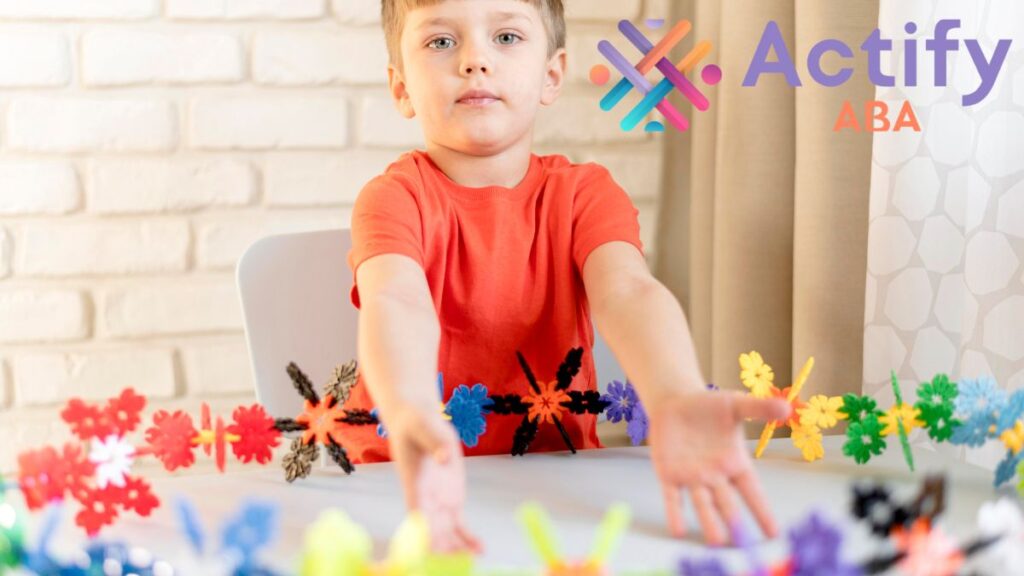
Daily support creates steady growth and reduces stress.
Try these strategies:
- Build routines for structure
- Use visual cues for tasks
- Create sensory-friendly spaces with soft lighting or quiet areas
- Break tasks into small steps
- Offer choices with two options
- Celebrate small wins
Example: Liam, 6, disliked brushing teeth. His mom split it into two steps: first hold the brush, then add toothpaste. Stress dropped over time.
Everyday awareness turns into practical support when we use small, consistent actions.
Understanding Sensory Needs
Many autistic individuals notice sensory details intensely. Sensory differences often appear early (Baranek et al., 2006).
Possible sensitivities:
- Certain fabrics
- Loud sounds
- Strong smells
- Bright lights
How to help:
- Offer soft clothing
- Dim bright lights
- Create quiet corners
- Let the child choose textures
Respecting sensory needs reduces stress and makes communication easier.
Social Communication Made Simple
Communication skills vary. Some children use words, gestures, or devices to express themselves. Social engagement grows when adults follow the child’s lead (Kasari et al., 2010).
Small habits that help:
- Pause to let the child respond
- Use simple phrases
- Show items while naming them
- Celebrate attempts, not perfection
Even scripted lines from a favorite show can be a way to communicate excitement. Understanding this strengthens connection.
Quick Snapshot of Traits & Supports
| Trait | Helpful Support |
| Sensory sensitivity | Soft lighting, quiet space, predictable routines |
| Communication delays | Simple language, visual aids, extra wait time |
| Repetitive movements | Give space, offer calming activities |
| Intense interests | Use interests for learning |
| Need for routine | Visual schedules, two-step instructions |
This table reflects the core of Everyday Autism Awareness Day: small knowledge creates big understanding.
The Importance of Support: Fostering Inclusive Environments
Awareness helps recognize autism. Support moves us toward acceptance. That’s how a single day becomes every day.
Embracing Differences in Communication
Autistic people may struggle with social cues, eye contact, or back-and-forth conversations (Crompton et al., 2020). Some prefer visual aids or written messages. Support doesn’t “fix” differences. It adjusts communication to include everyone.
Neurodiversity in the Workplace
Autistic adults face a significant employment challenge, with 75%–85% experiencing unemployment or underemployment (Roux et al., 2017). But companies that value neurodiversity gain an advantage. Clear instructions, flexible schedules, and skill-based hiring help people excel.
Creating Sensory-Friendly Spaces
Many autistic individuals react strongly to sounds, lights, textures, or smells. Public spaces can adapt:
- Dim bright lights
- Lower background noise
- Offer quiet corners
Example: a movie theater with a “sensory-friendly screening” helps families enjoy outings. Small changes make inclusion practical.
The Global Perspective: A Universal Need for Acceptance
Autism exists worldwide. About 1% of the global population is autistic (Underwood et al., 2022). Understanding and acceptance are universal needs.
Advocating for Change
Advocacy shapes policies that improve access to healthcare, education, and work opportunities. Inclusive programs help every child succeed. Communities can ask: what steps can we take to support these goals?
Listening to Autistic Voices
Autistic individuals should lead the conversation. Participatory research ensures policies address real needs. Amplifying these voices strengthens the movement.
Moving Beyond Awareness: Practical Steps for Daily Inclusion
Awareness becomes action through small habits.
For Friends and Neighbors
- Learn each person’s preferred communication style
- Be patient in conversations; pauses are normal
- Ask about sensory preferences before hosting
For Community Spaces
- Offer weekly “quiet hours”
- Use clear, visual signs for navigation
These small, mindful steps make inclusion a daily experience. Communities become calm, flexible, and kind.
Frequently Asked Questions
Q1: Is autism new?
No. Higher diagnosis rates reflect better awareness, earlier screening, and broader criteria (Christensen et al., 2018). Many were always autistic, just undiagnosed.
Q2: What is stimming?
Stimming is self-stimulatory behavior like hand-flapping or rocking. It helps manage sensory overload and emotions (Kapp et al., 2019).
Q3: Why is person-first language debated?
Some people use “person with autism,” while others prefer “autistic person,” viewing autism as an integral part of their identity (Kenny et al., 2016). It’s important to respect each individual’s choice.
Q4: Can fluent speakers still have communication challenges?
Yes. Many struggle with social rules or figurative language (Tager-Flusberg & Kasari, 2013). Speaking fluently doesn’t erase processing challenges.
Q5: Can a person outgrow autism?
No. Autism is lifelong. People grow skills and adapt, but neurological differences remain (Shattuck et al., 2007).
Making Inclusion a Daily Habit
Everyday Autism Awareness Day reminds us that small daily choices build true inclusion. Actify ABA supports families in Maryland with practical steps to make awareness more than just a day, reach out to us anytime to learn how we can help. Awareness starts on April 2 but grows through small, everyday actions. Speak with care. Honor each person’s way of communicating. Respect sensory needs. Build spaces where everyone feels included. Support doesn’t need to be complicated. With Actify ABA, families can take simple, practical actions that create real impact. By acting daily, we build calm, flexible, and kind communities where awareness turns into true support, and autistic individuals feel seen, understood, and included every day.
