
Key Points:
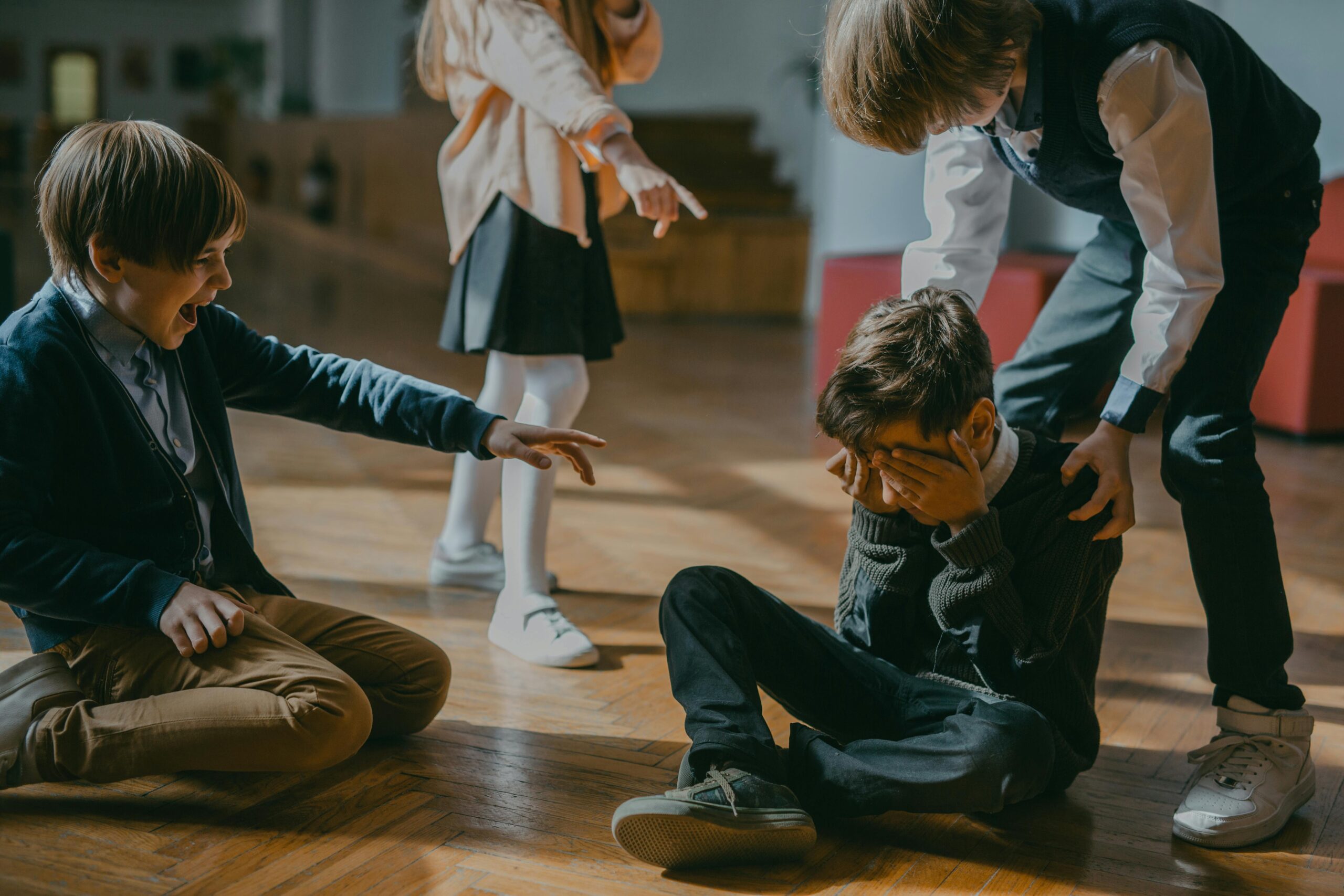
- Autistic children are bullied more often due to social communication differences, not because of misbehavior. Recognizing early autism bullying signs helps families intervene sooner.
- Bullying prevention works best when families, schools, and support providers work together. Proactive communication, documentation, IEP or 504 supports, and school-wide bullying prevention strategies improve social safety for autistic students.
- Empowerment builds protection. Teaching self-advocacy, emotional regulation, and coping skills while validating your child’s experiences helps autistic children stay safe, confident, and resilient.

Why Autistic Children May Be Bullied More Often
Research shows that bullying is a painful, traumatic reality for many autistic children. Differences in communication, social interaction, sensory needs, and behavior can, unfortunately, make autistic kids stand out in environments that are not always understanding or inclusive.
For parents, recognizing autism bullying signs early and knowing how to respond can make a life-changing difference.
Autistic children are not bullied because they are doing something “wrong.” Bullying happens when differences are misunderstood or exploited.
Common factors include:
- Difficulty reading social cues: Trouble interpreting facial expressions, tone of voice, or unwritten social rules can make autistic children vulnerable to manipulation or exclusion.
- Literal communication styles: Taking things literally may lead to misunderstandings, awkward interactions, or peers teasing them for their responses.
- Visible differences: Stimming behaviors, sensory sensitivities, or intense interests can be perceived as “different” and unfairly targeted.
- Social isolation: Preferring solitude or struggling to join peer groups can make a child appear like an “easy target” to bullies seeking power.
- Challenges reporting bullying: Some autistic children may not realize they are being bullied or may struggle to explain what happened, allowing bullying to continue unnoticed.
Bullying often stems from power imbalances and lack of understanding, not from anything inherent to autism.
Signs Your Autistic Child May Be Being Bullied
Because autistic children may not always verbally report bullying, parents must watch closely for emotional, behavioral, and physical changes.
Behavioral & Emotional Autism Bullying Signs
- Increased anxiety, sadness, or withdrawal
- Loss of confidence or self-esteem
- Sudden mood swings or emotional shutdowns
- Increased stimming or repetitive behaviors
- Aggression, meltdowns, or self-injurious behavior
- School avoidance, frequent complaints of illness
- Changes in sleep or eating habits
- Social withdrawal or loss of friendships
Physical & School-Related Signs
- Unexplained bruises, scratches, or injuries
- Torn clothing or damaged belongings
- Missing money, food, or school supplies
- Declining grades or loss of interest in school
Recognizing these autism bullying signs early is critical for protecting your child’s emotional well-being.

How to Navigate and Find Out If Your Child Is Being Bullied at School
1. Observe Carefully
Notice changes in routines, increased fear before school, or sudden resistance to specific places (bus, cafeteria, playground).
2. Communicate Using Their Style
- Use clear, concrete questions: “Did anyone say something mean to you today?”
- Use visual aids, emotion cards, or drawings
- Try social stories to explore situations safely
- Avoid abstract or leading questions
Presume honesty. Autistic children are often very literal and truthful.
3. Document Everything
Keep a factual log with:
- Dates, times, locations
- People involved
- What happened (exact words/actions)
- Screenshots for cyberbullying
- All school communications
Documentation is essential when advocating for an autistic child.
4. Partner With the School
Start with the teacher, then escalate to counselors or administrators if needed. Share patterns, not just isolated incidents.
School Bullying Prevention Tactics for Children With Autism
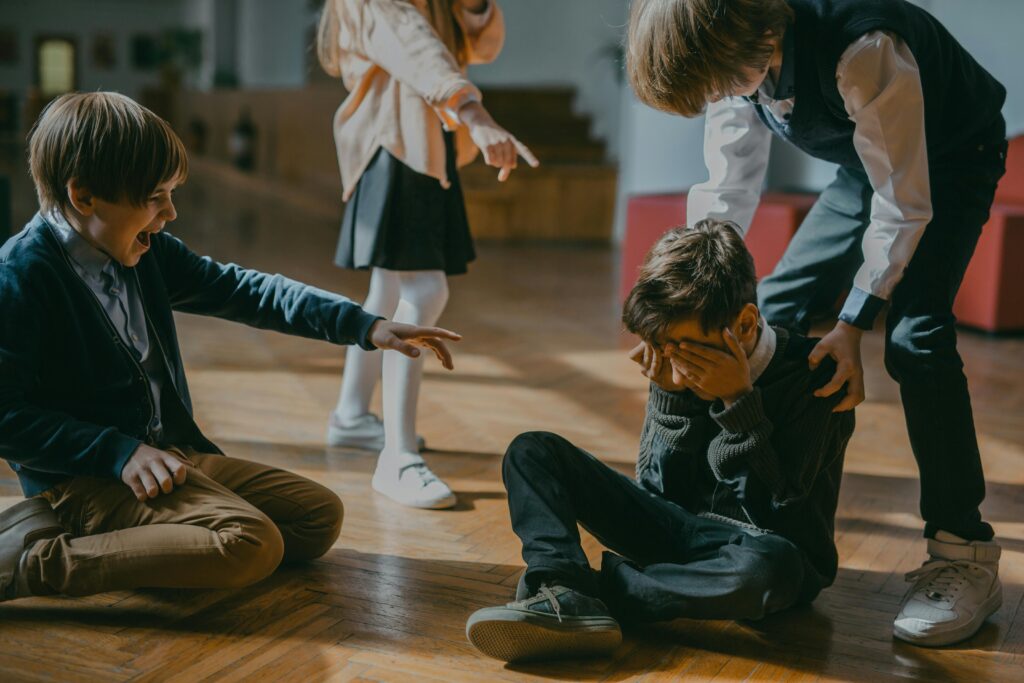
Effective school bullying prevention requires action at multiple levels.
For the Child: Empowerment & Safety Skills
- Self-advocacy scripts: Practice phrases like:
“Stop. I don’t like that.”
“Leave me alone.”
“I need help.”
- Exit strategies: Teach your child it’s okay to leave unsafe situations and find a trusted adult.
- Social skills support: Join interest-based groups (chess, art) or therapy-led social skills groups to build confidence and friendships.
- Emotional regulation tools: Breathing exercises, sensory tools, or calming routines help manage stress.
How an IEP Can Help With Bullying at School
An Individualized Education Program (IEP) or 504 Plan can be a powerful tool for social safety in autism. Be an advocate for your child’s safety by suggesting that these are included in the school’s IEP:
Helpful IEP Strategies for Bullying
- Social-emotional learning goals
- Self-advocacy and communication training
- Designated safe adults and safe spaces
- Increased supervision during transitions or recess
- Buddy systems or structured peer groups
- Counseling or emotional support services
- Autism awareness and staff training
Getting Bullying Support Added to an IEP
- Document incidents
- Request an IEP meeting
- Bring your records
- Ask for specific, measurable supports
- Monitor progress and revise as needed
A written plan creates accountability and ongoing protection.
How ABA Therapy Helps Address and Prevent Bullying
ABA therapy can be highly effective in addressing bullying, especially for children with autism spectrum disorder (ASD). Rather than blaming the child or trying to “fix” who they are, ABA focuses on building skills, confidence, and resilience that reduce vulnerability and improve social safety.
ABA works by identifying skill gaps, emotional triggers, and environmental factors that contribute to bullying, both for children who are being bullied and, in some cases, for children who may unintentionally engage in bullying behaviors due to social communication challenges.
How ABA Therapy Addresses Bullying
Social Skills Training
ABA helps children learn how to:
- Read social cues like facial expressions and body language
- Understand social boundaries and unwritten rules
- Initiate and maintain conversations
- Build and sustain friendships
Stronger social connections can reduce isolation, which is a major risk factor for bullying.
Assertiveness & Coping Skills
Through role-playing and practice, ABA teaches:
- Assertive (not aggressive) responses to teasing or mean behavior
- Self-advocacy scripts such as “Stop, I don’t like that” or “I need help”
- Safe ways to exit uncomfortable situations
These skills empower children to respond effectively and seek support when needed.
Emotional Regulation
ABA helps children:
- Identify and label emotions like fear, anger, or embarrassment
- Learn calming strategies to manage anxiety and stress
- Reduce emotional overwhelm that can make bullying situations escalate
Improved emotional regulation supports both coping and recovery after negative social experiences.
Perspective-Taking
Children are taught to:
- Recognize when comments are intentionally mean versus playful
- Understand how words and actions affect others
- Build empathy and social awareness
This is especially helpful for children who may misinterpret teasing or unintentionally offend peers.
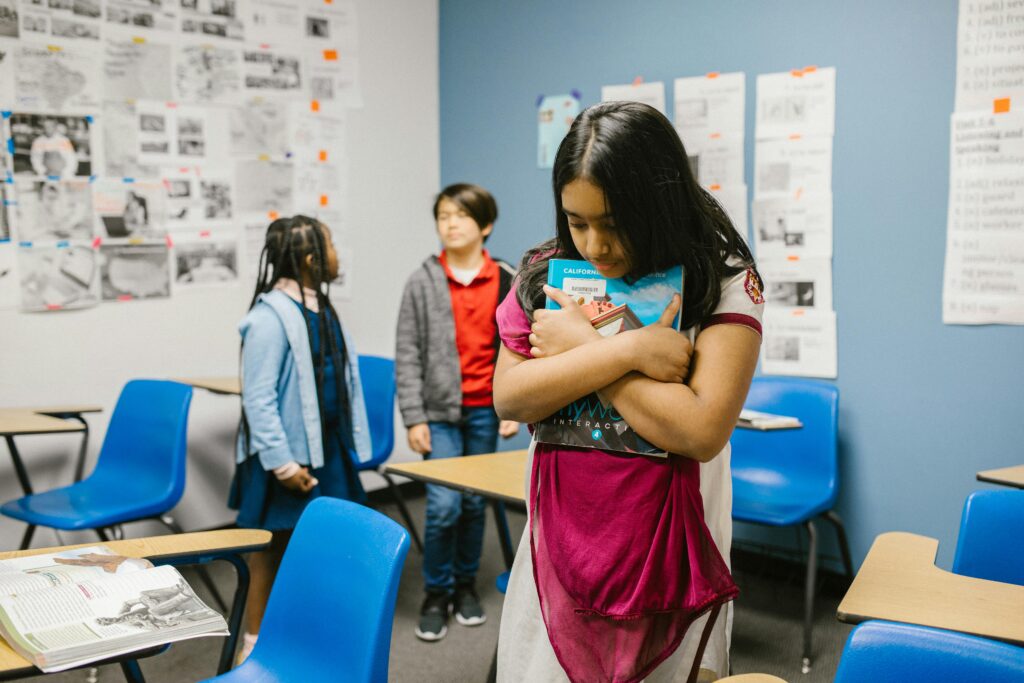
Behavioral Analysis & Targeted Support
ABA uses functional behavior assessment to understand:
- Why a child may be targeted (e.g., communication or social skill gaps)
- Why a child might engage in bullying behaviors unintentionally
Therapy then focuses on teaching positive replacement behaviors, improving peer interactions, and reinforcing respectful communication.
Empowerment & Self-Esteem
By reinforcing strengths, successes, and positive social interactions, ABA helps children develop:
- Confidence in social situations
- A sense of belonging
- Greater willingness to advocate for themselves
ABA therapy helps prevent and address bullying by building skills and resilience, not by blaming the child. It can be tailored to support children who are being bullied, those who struggle socially, and even those who may unintentionally engage in bullying behaviors, creating safer and more positive peer interactions overall.
Coping Strategies for Autistic Children Experiencing Bullying: Practical Examples
- Role-play real situations Example: child practices saying:
“Stop. That’s not kind.”
“I’m going to my safe space.”
- Create a safety plan: List trusted adults, safe locations, and coping tools.
- Build confidence through strengths: Encouraging passions (coding, art, music, math) builds self-esteem and peer connection.
- Teach “real friend” behaviors: Use clear examples to show what respectful friendships look like.
- Validate feelings: Reassure your child: “This is not your fault. You deserve to feel safe.”
Coping is about empowerment, not changing who they are.
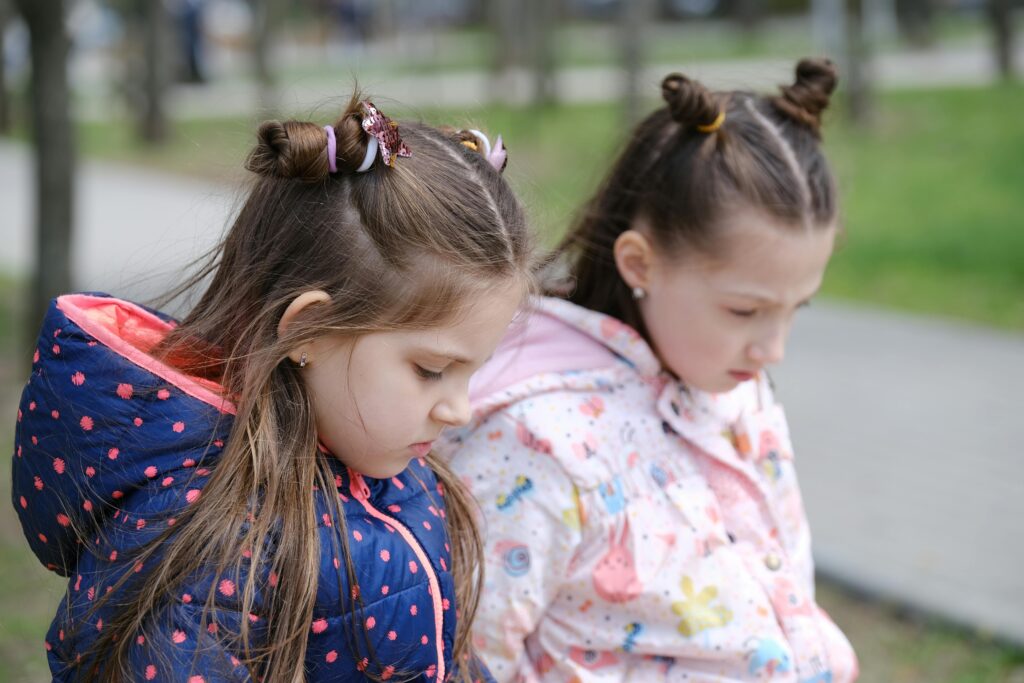
How Actify ABA Can Help Support Your Child
At Actify ABA, we understand how deeply bullying can affect autistic children and their families. Our ABA therapy programs focus on:
- Building self-advocacy and communication skills
- Teaching social safety skills in real-world settings
- Supporting emotional regulation and resilience
- Helping families with advocating for autistic children at school
- Collaborating with schools and IEP teams
- Empowering children through strengths-based, compassionate care
If your child is experiencing bullying or you’re worried about their social safety, Actify ABA is here to help. Together, we can create a plan that supports your child’s confidence, independence, and sense of belonging.
FAQ’s
1. How common is bullying among autistic children?
Bullying is significantly more common among autistic children than their neurotypical peers. Differences in communication, sensory needs, and social interaction can make autistic kids more visible and vulnerable, especially in unstructured school settings. Recognizing early autism bullying signs can help prevent long-term emotional harm.
2. What are the most common signs my autistic child is being bullied?
Common signs include increased anxiety, school refusal, social withdrawal, changes in sleep or eating, damaged belongings, unexplained injuries, and intensified sensory or repetitive behaviors. Because autistic children may struggle to report bullying directly, parents often notice changes before hearing about incidents.
3. How can I help my autistic child report bullying at school?
Use clear, direct questions and your child’s preferred communication style, such as visuals or social stories. Practice self-advocacy scripts and identify trusted adults at school. Presume honesty and document incidents carefully when advocating for your autistic child.
4. Can an IEP help protect my child from bullying?
Yes. An IEP or 504 Plan can include accommodations such as increased supervision, designated safe spaces, self-advocacy goals, and adult check-ins. These supports improve social safety for autistic students and hold schools accountable for prevention and intervention.
5. How does ABA therapy support autistic children dealing with bullying?
ABA therapy helps children build communication, self-advocacy, emotional regulation, and social skills that reduce vulnerability to bullying. ABA providers can also support families with school bullying prevention strategies and collaboration with IEP teams.
