
Key Points:
- Many individuals with autism experience light sensitivity, which can lead to discomfort, anxiety, and behavior challenges in certain environments.
- Fluorescent lights, glare, and flickering bulbs are common triggers, especially in classrooms and public spaces.
- Managing light sensitivity involves environmental modifications, sensory supports, and behavior strategies tailored to the child’s sensory profile.
Lighting plays a much bigger role in autism than most people realize. For many autistic individuals, especially children, exposure to bright or artificial lights can trigger discomfort, stress, or even pain.
In fact, research indicates that up to 75% of autistic individuals report being hyperreactive to bright and flashing lights. This condition—called photophobia or light sensitivity—can interfere with learning, socialization, and day-to-day functioning.
When talking about lights and autism, it’s crucial to understand that these responses are not behavioral choices but neurological reactions. The goal is to support children in managing visual sensory input in ways that preserve their comfort and focus.
What Is the Relationship Between Light and Autism?
Light sensitivity is common in autism and occurs when the brain overreacts to certain lighting conditions, leading to discomfort, avoidance, or behavioral distress.
This sensory processing issue varies widely in severity. Some individuals react to the harsh flicker of fluorescent lights, while others become overwhelmed by bright sunlight or glare off screens. The issue lies not in the eyes but in how the brain interprets visual input.
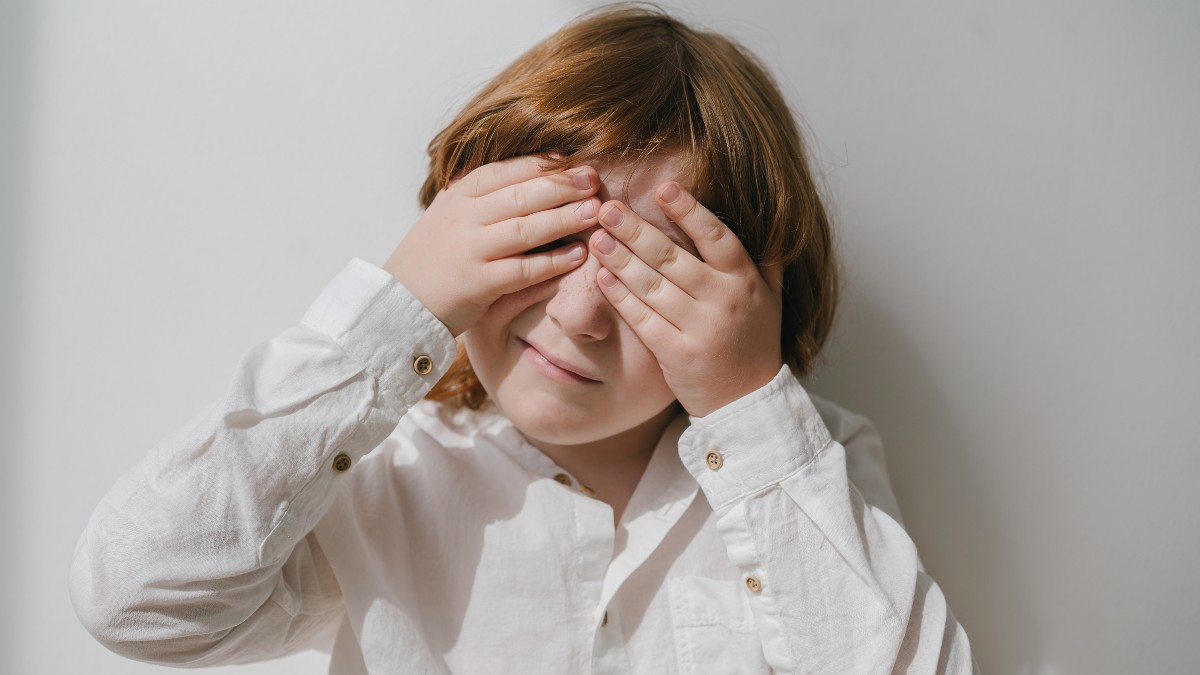
Light sensitivity can cause headaches, eye strain, anxiety, or agitation. For children with autism, this often leads to avoidance behaviors—covering their eyes, hiding under tables, or refusing to enter certain rooms. In school, lighting-related distress may appear as distraction or emotional outbursts, often misunderstood as behavioral problems.
Why Are Individuals with Autism Sensitive to Light?
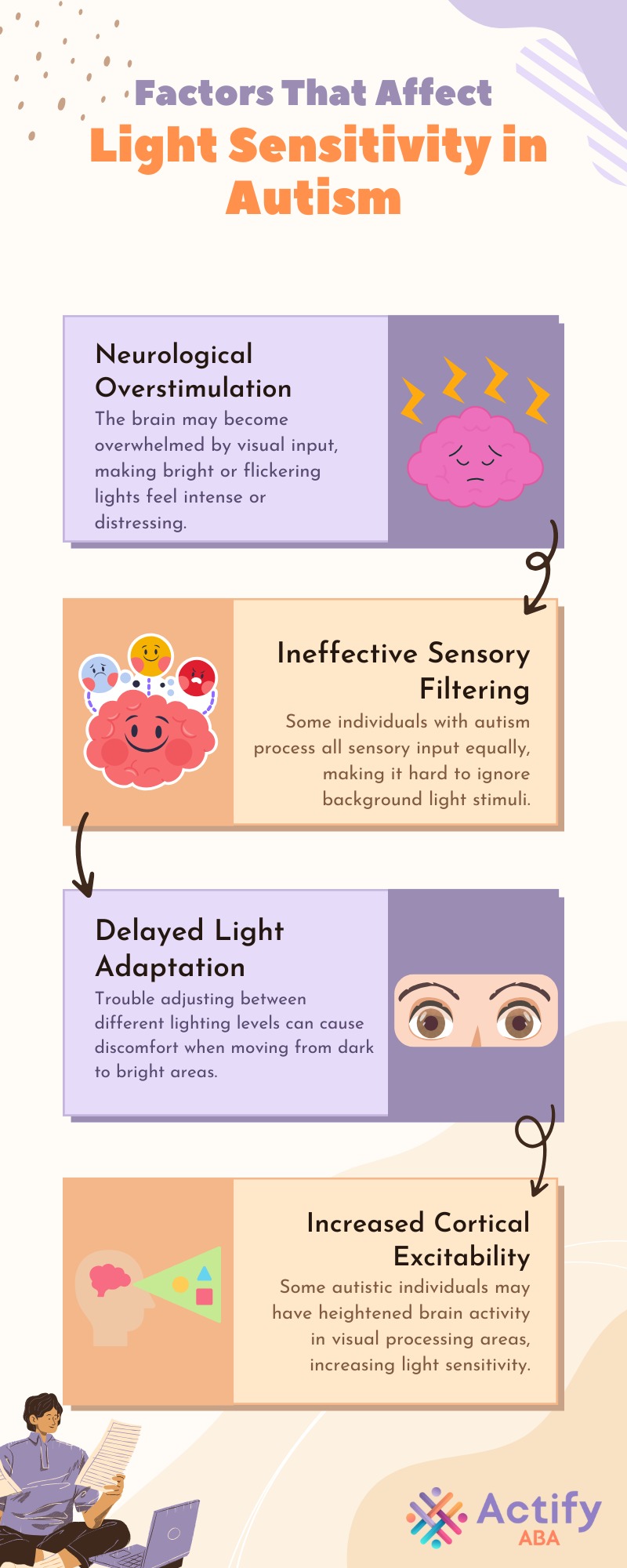
Visual hypersensitivity is part of a broader sensory processing difference in autism. The brain may become overloaded when processing intense or flickering light, much like how a loud sound might feel physically painful for someone with auditory sensitivities.
There are several possible explanations for this response:
Do All Autistic Individuals Experience Light Sensitivity?
Not all autistic individuals experience light sensitivity, but it is a common trait within the autism spectrum. Visual hypersensitivity—discomfort or distress caused by bright, flickering, or fluorescent lights—affects many people with autism due to differences in sensory processing. However, each person’s sensory profile is unique. Some may be extremely sensitive to light, while others may not react at all.
This variability highlights the importance of personalized support and accommodations. Understanding whether a child or adult is sensitive to light can help families and educators adjust environments to reduce overstimulation and improve daily functioning—a crucial step in recognizing how both overstimulation and its counterpart, understimulation, affect individuals on the spectrum. For deeper insight, explore What Causes Understimulation in Autism and How to Help.
What Kinds of Lighting Trigger Sensory Overload?
Different types of lighting can produce different sensory challenges for children with autism. Recognizing common triggers is a helpful first step in reducing exposure and planning accommodations.
Common lighting triggers include:
1. Fluorescent Lights
These are among the most frequently reported culprits. They flicker at an imperceptible rate, which can still be picked up by some individuals with autism. Combined with their bright, cold hue, these lights often cause headaches or visual discomfort.
2. Glare and Reflections
Sunlight bouncing off glass or white surfaces can be intense and disorienting. Glare can make it hard to visually focus and cause avoidance or distress.
3. Bright LED Screens
Backlit tablets, phones, and TVs can contribute to eye fatigue. Rapid scene changes or flashing animations can be especially difficult for some children to process.
4. Sudden Lighting Changes
A child may feel disoriented when walking from a dark space to a well-lit one, especially if the transition is abrupt and unprepared.
5. Harsh Overhead Lighting
Classrooms and public spaces often rely on bright overhead lighting that creates strong contrasts and shadows, which can add to visual confusion.
How Can Light Sensitivity Be Managed at Home or School?
Managing light sensitivity in autistic individuals involves minimizing visual overstimulation and providing supportive tools. Simple changes—like using natural lighting, dimmable bulbs, or lamp shades—can reduce glare and harsh brightness. At school, allowing the use of hats, sunglasses, or light-diffusing filters can help children stay focused and comfortable.
Visual schedules and calm-down spaces with soft lighting also support regulation during overwhelming moments. It’s important to observe each individual’s triggers and preferences. With consistency and a sensory-informed approach, families and educators can create more accommodating environments that reduce distress and support learning and daily participation—especially when paired with thoughtful strategies like those discussed in Desensitization in Autism: What It Is and Why It Matters.
What Are the Signs That a Child Is Sensitive to Light?
Because young children may not verbalize discomfort, it’s important to recognize nonverbal cues that indicate light sensitivity. These signs may be subtle or mistaken for behavioral issues if not observed carefully.
Watch out for patterns like:
- Covering eyes when entering certain rooms
- Squinting or blinking frequently under bright lights
- Refusing to enter areas with overhead lighting
- Increased irritability in brightly lit classrooms or stores
By tracking these behaviors, caregivers and teachers can identify patterns and adapt environments accordingly.
How Can ABA Therapy Support Light Sensitivity Management?
Applied Behavior Analysis (ABA) can play a key role in helping children with autism navigate light sensitivity more effectively. ABA therapy activities don’t aim to eliminate sensory preferences, but instead support children in building coping skills and tolerance, while maintaining safety and emotional regulation.
Here’s how ABA can help address lighting challenges:
1. Behavioral Observation and Data Tracking
ABA therapists systematically record when and where sensory challenges occur, helping identify patterns and triggers linked to lighting.
2. Desensitization Programs
Gradual exposure programs are tailored to the child’s pace. For instance, a child who avoids rooms with overhead lights may begin by viewing pictures of lit rooms, then standing near a lit doorway, and so on.
3. Functional Communication Training (FCT)
Children are taught to request breaks or express discomfort in socially appropriate ways, like saying “too bright” or using picture cards.
5. Teaching Coping Skills
From wearing sunglasses to self-regulation techniques like deep breathing, ABA can help children adopt practical strategies for managing discomfort.
ABA focuses on individualized goals, so supports for light sensitivity are never one-size-fits-all. Instead, they’re carefully aligned with the child’s unique sensory profile and day-to-day life needs.
Can Light Sensitivity Improve Over Time?
With the right support, many children with autism develop better coping mechanisms for dealing with light sensitivity. While it may not disappear entirely, desensitization, consistent routines, and accommodations often reduce the intensity of the response.
Progress depends on:
- Early identification and intervention
- Consistency across environments (home, school, therapy)
- Positive reinforcement for tolerating small exposures
- Collaboration between parents, educators, and therapists
It’s important to avoid pushing too fast or forcing exposure, which can backfire. Instead, focus on comfort, choice, and communication.
Create Structure and Support with ABA Therapy
If lighting challenges are interfering with your child’s comfort, learning, or daily routine, ABA therapy can provide structured, compassionate support. At Actify, we offer ABA therapy in Maryland for families seeking personalized strategies to manage sensory sensitivities, like those involving lights and autism.
Our ABA therapists collaborate with families to identify triggers, create visual and environmental supports, and build coping skills in ways that respect the child’s pace. Whether your child avoids fluorescent lights at school or struggles with screen brightness at home, we’re here to help them navigate their world more confidently.
Contact us today and take the next step in supporting your child’s sensory needs.
