
Key Points:
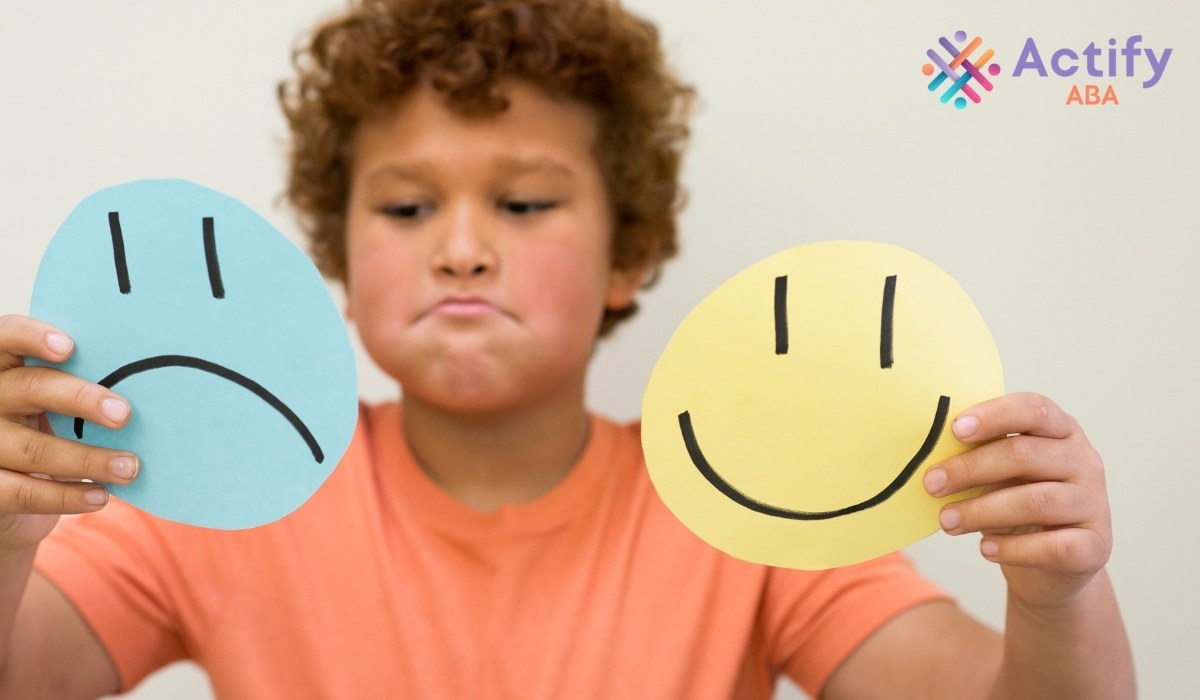
- Back-to-school anxiety is common in kids with autism due to sensory overload, disrupted routines, and increased social and academic demands after a break.
- Preparation and predictability ease anxiety, using tools like visual schedules, Social Stories, and gradual routine resets to support smoother school transitions.
- Sensory-friendly supports and ABA strategies help kids cope, building emotional regulation, confidence, and resilience during the return to school.

Why Going Back to School Can Feel Overwhelming for Kids With Autism
For many children with autism, going back to school after a break can feel overwhelming and anxiety-provoking. While the return to routine may excite some students, autistic children often face a sudden surge of sensory, social, and emotional demands that can be difficult to manage.
Sensory Overload
Schools are busy, unpredictable environments filled with bright lights, loud bells, crowded hallways, and strong smells. After a quieter break, this intense sensory input can quickly overwhelm a child’s nervous system, leading to fatigue, anxiety, or meltdowns. What may seem like “avoidance” is often a coping response to sensory overload.
Disrupted Routines and Predictability
Autistic children rely heavily on routine and predictability. Returning to school often means new teachers, classmates, schedules, classrooms, and expectations. Even small changes, like a different desk or a new morning routine, can increase anxiety and make transitions feel unsafe or unmanageable.
Social and Communication Challenges
School requires navigating complex, unspoken social rules, from group work to playground interactions. Understanding sarcasm, figurative language, or peer dynamics can be stressful. Many autistic children also experience higher rates of bullying or social isolation, which further contributes to school-related anxiety.
Academic and Executive Functioning Demands
Planning assignments, organizing materials, following multi-step instructions, and shifting attention between tasks are all executive functioning skills that can be challenging for autistic students. When these demands increase suddenly after a break, frustration and anxiety often follow.

Back-to-School Transition Tips: ABA Strategies That Help
Using evidence-based ABA strategies can make school transitions smoother and more predictable. These school transition tips for autism focus on preparation, structure, and positive reinforcement.
Visual Schedules and Timers
Visual schedules help children understand what to expect throughout the day, reducing uncertainty. Pairing schedules with visual timers supports smoother transitions between activities and helps children mentally prepare for changes.
Social Stories
Social Stories are short, personalized narratives that explain what will happen at school, what’s expected, and how a child can respond. Reading these stories regularly before school starts builds familiarity and confidence.
Gradual Routine Reset
Start reintroducing autism routines for school one to two weeks before school begins. Shift bedtime, wake-up times, and meal schedules gradually to avoid sudden changes that increase stress.
Positive Reinforcement
ABA emphasizes reinforcing small successes. Praising effort, offering tokens, or allowing access to a preferred activity for completing routines helps motivate children and reduces anxiety around new or challenging tasks.

How to Ease School Anxiety in Kids With Autism
Easing school anxiety in autism is most effective when support focuses on predictability, communication, and emotional safety by helping children identify with these practical strategies:
1. Preparation & Familiarity (Before School Starts)
Strong preparation is one of the most effective school transition tips autism experts recommend.
- Use photo books or visual tours of the school
- Practice morning routines with “dress rehearsals”
- Visit the school during quieter times
- Role-play common situations like asking for help
Re-Establish Autism Routines for School
Gradually reset bedtimes, wake-up times, meals, and daily responsibilities one to two weeks before school starts. Practicing packing lunches, wearing uniforms, or sitting for short “homework time” helps reinforce autism routines for school and reduces the shock of sudden changes.
2. In-the-Moment Coping Skills (During the School Day)
Teaching coping strategies ahead of time supports easing anxiety when emotions rise during the day.
Zones of Regulation
Use the Zones of Regulation framework to help children identify emotions:
- Green: calm and ready
- Yellow: anxious or overwhelmed
- Red: out of control
Teach matching calming strategies for each zone so children know what to do when feelings escalate.
Deep Breathing & Regulation
Practice simple breathing exercises like “smell the flower, blow out the candle” when your child is calm. Repeated practice makes these skills easier to access during stressful moments at school.
Sensory Tools & Calm Corner
A sensory-friendly back-to-school setup may include noise-canceling headphones, fidget toys, weighted lap pads, or chewable tools. A designated “calm corner” at home or school gives children a safe space to regulate when overstimulated.
Counting & Breaks
Teach counting to 10, short movement breaks, or quiet “brain breaks” to reset when anxiety builds.

3. Communication & Emotional Support
Clear, supportive communication is key to easing transitions.
Acknowledge Feelings First
Validate emotions before problem-solving: “I see you’re feeling worried. That makes sense.”
Use Specific, Predictable Language
Avoid vague statements. Use clear, direct language such as: “When you arrive at school tomorrow, you will hang your bag, then sit on the carpet.”
Predictable wording supports emotional safety and reduces anxiety.
Track Triggers
Use a simple trigger log or “worry book” to identify patterns, such as noisy cafeterias or specific classes. Understanding triggers allows adults to adjust supports and advocate for sensory-friendly back-to-school accommodations.
4. Invest in Back-to-School Supplies to Help Calm Anxious Kids With Autism
Creating consistent routines and a sensory-friendly back-to-school approach supports emotional regulation and focus.
Sensory-Friendly Supplies
Sensory-friendly back-to-school tools may include:
- Noise-canceling headphones
- Weighted lap pads or vests
- Fidget toys or stress balls
- Chewable pencil toppers or necklaces
- Visual timers or picture schedules
Clothing and Gear Adjustments
Soft, tagless clothing, compression garments, and comfortable shoes can make a big difference. Breaking in new clothes and backpacks ahead of time reduces sensory discomfort on the first days back.
Calm Spaces and Sensory Breaks
At home or school, designated calm-down areas with soft seating and reduced noise give children a safe place to regulate. Scheduled sensory breaks, like movement activities or deep-pressure input, can prevent anxiety from building throughout the day.

Example Scenario: A Calm Corner Plan
Setup
Create a quiet space with a soft cushion, favorite books, a weighted lap pad, and calming sensory tools.
The Social Story
“When your feelings get big (Yellow or Red Zone), you can go to your Calm Corner for 5 minutes. You can squeeze your stress ball or look at your book. When your body feels calmer, you can try again.”
Practice
Role-play using the calm corner at home when your child is relaxed. Practicing ahead of time ensures the strategy feels familiar and safe when anxiety arises at school.
By combining preparation, consistent routines, sensory-friendly back-to-school supports, and clear coping strategies, families can help autistic children manage anxiety, feel more secure, and build resilience during school transitions.
Finding Support to Ease Autism School Anxiety in Maryland
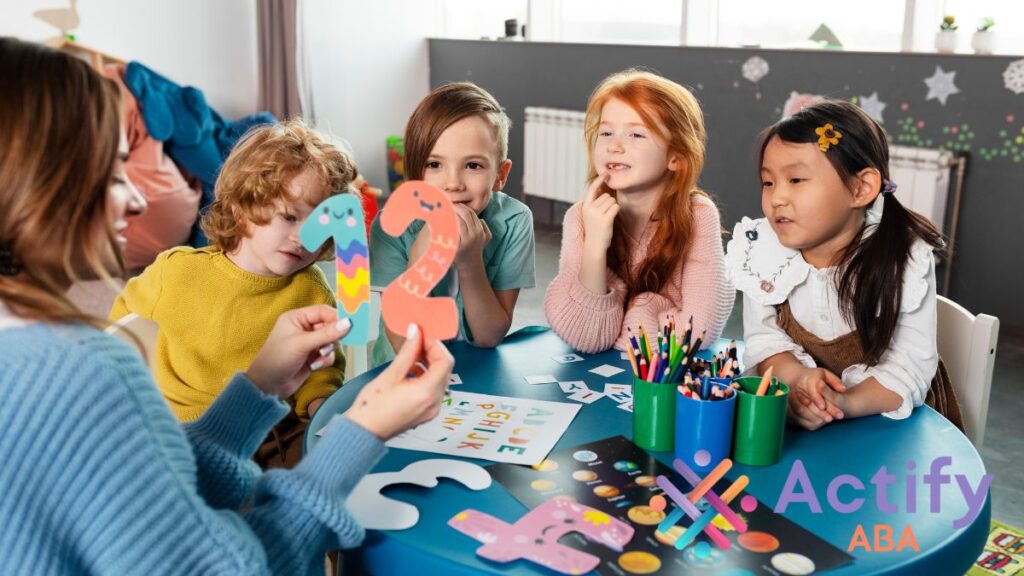
Actify ABA in Maryland provides individualized, family-centered ABA services designed to support school transitions and reduce anxiety. By focusing on practical routines, emotional regulation, and collaboration with schools, Actify ABA helps children thrive not just in therapy sessions but in real-life environments like the classroom.
FAQ’s
1. Why do kids with autism experience anxiety when going back to school after a break?
Kids with autism often struggle with returning to school due to sensory overload, disrupted routines, social challenges, and increased academic demands. Changes in schedules, teachers, and environments can feel unpredictable, making easing school anxiety autism a key focus during transitions.
2. What are effective school transition tips for autism?
Helpful school transition tips for kids with autism include using visual schedules, Social Stories, gradual routine changes, school visits before the term starts, and practicing morning routines at home. These strategies increase predictability and help children feel more prepared and confident.
3. How can ABA strategies support easing school anxiety in autism?
ABA strategies support easing school anxiety by reinforcing positive behaviors, teaching coping skills, and building structured routines. Tools like visual schedules, positive reinforcement, emotional regulation strategies, and sensory supports help children manage transitions more successfully.
4. What sensory-friendly back-to-school supplies help autistic children?
A sensory-friendly back-to-school setup may include noise-canceling headphones, weighted lap pads, fidget toys, chewable tools, visual timers, and soft, tag-free clothing. These tools help reduce sensory overload and improve focus and emotional regulation at school.
5. How can parents create effective autism routines for school?
Strong autism routines for school include consistent wake-up times, visual morning checklists, predictable after-school schedules, and regular practice before school starts. Gradually introducing routines helps reduce anxiety and supports smoother daily transitions.
