

Key Points:
- Sibling support autism strategies can be built into a child’s ABA therapy plan when a family requires it.
- Siblings carry a range of emotions about a brother or sister’s diagnosis, and those feelings deserve attention too.
- At Actify ABA, our family-centered ABA approach looks at the whole household, not just the child in direct services.

Have you noticed your other kids going quiet, acting out, or asking why so much attention goes to their sibling’s therapy? Parents often pour so much energy into their autistic child’s needs that sibling relationships slip into the background, even though everyone in the house feels the shift.
The impact on siblings shows up differently in every home. Some kids become fiercely protective. Others feel confused or a little jealous, unsure how to connect with a sibling who plays or communicates differently than they do. Neither reaction is negative. Both may need some support.
Why Sibling Relationships Matter in ABA Therapy
Therapy becomes part of the family rhythm, and sibling relationships tend to shift alongside it. Kids ask questions. Why does my brother go to sessions? Why does she use that picture board instead of talking? These questions deserve honest answers that match the sibling’s age.
We’ve noticed something interesting over the years. Siblings often want more involvement than parents assume. A younger sibling might ask to sit in on part of a session or want to learn the same communication tools their brother or sister uses at home. Giving them a way to participate, even in small ways, tends to help them feel connected instead of shut out of something they don’t fully understand.
At Actify ABA, our BCBAs sometimes bring sibling involvement into a treatment plan, depending on the family’s goals and how the kids interact daily. It’s not part of every case. It comes up when it fits.
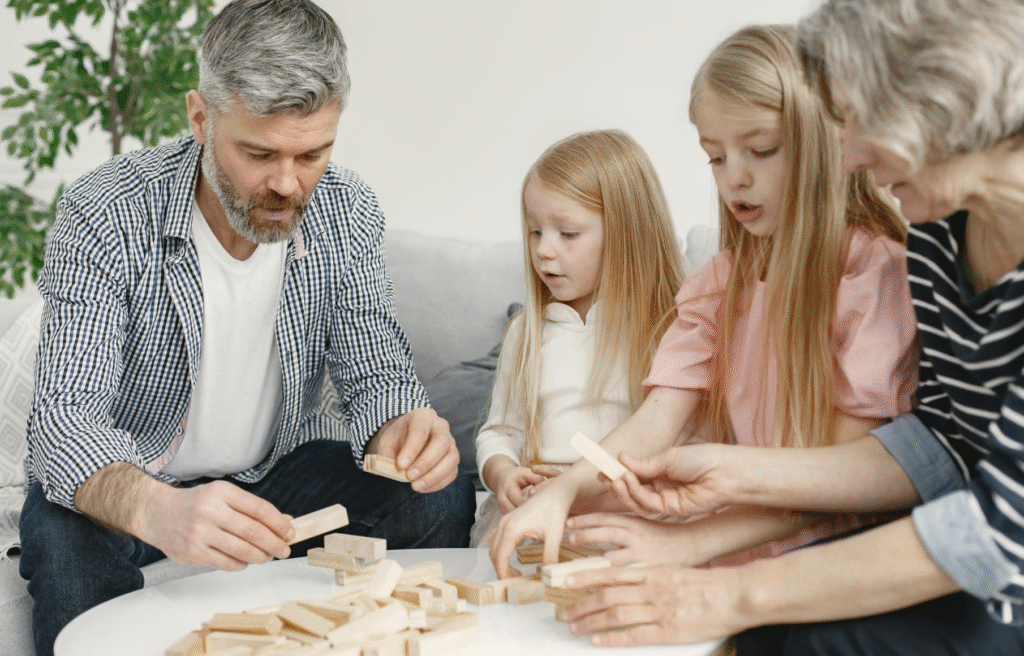
Helping Siblings of Autistic Children Feel Included
Helping siblings of autistic children doesn’t require a formal program. Small, intentional changes go a long way. A few ideas therapists sometimes suggest:
- Teaching a sibling simple communication tools, like picture cards or basic signs, so they can connect more easily
- Carving out one-on-one time between parent and sibling that has nothing to do with therapy
- Explaining autism in language that fits the sibling’s age and understanding
- Choosing shared activities that don’t rely heavily on verbal back-and-forth, like building blocks or a simple game
None of this guarantees an easier dynamic overnight. But it can open a door that’s been closed for a while.
Sibling Training ABA Therapy: What It Can Look Like
Sibling training ABA therapy sometimes means brief coaching for a sibling who wants to be more hands-on during structured play. This might involve showing them how to prompt a skill, wait for a response, or offer praise in a way that actually reinforces the behavior.
Here’s a pattern we’ve seen play out more than once. An older sibling wants to help teach something specific during a home visit. With a little coaching from the supervising BCBA, they learn how to prompt properly and celebrate the small wins. Over time, that shared effort seems to bring the two kids closer. Whether this fits a particular family depends on the siblings’ age, interest, and comfort level. It’s not something we push on every household.
At Actify ABA, decisions like this get made together with caregivers, based on what feels right for that specific family.

Autism Family Support Maryland Parents Look For
Autism family support Maryland families need often goes beyond the child receiving therapy. Juggling multiple kids with different needs, school communication, and daily routines is a lot. Parents sometimes worry that in trying to keep everything running, one child’s feelings get overlooked.
Family-centered ABA therapy at Actify ABA keeps this bigger picture in view. Our services page goes into more detail on how our team works with caregivers on concerns that touch the whole household, not just goals tied to one diagnosis.
Where This Fits Into Your Child’s Treatment Plan
Sibling dynamics come up naturally during caregiver meetings with your BCBA. If something feels off, maybe a sibling seems withdrawn or overwhelmed, that’s worth mentioning. It becomes part of the ongoing conversation about your child’s care.
Caregivers stay closely involved throughout the process at Actify ABA for a reason. You know your family better than anyone on the treatment team ever could. That insight shapes whether sibling support becomes a bigger part of the treatment plan.

Tips Parents Can Try Between Sessions
- Ask siblings directly how they feel about the therapy schedule and all the attention it takes
- Involve them in low-pressure shared activities, without expecting them to “teach” or manage anything
- Be honest about autism in a way that matches where they are developmentally
- Check in again later. Feelings shift as kids grow and circumstances change
None of these fixes everything at once. But they tend to give siblings room to say what they’re actually feeling.
If you’re noticing a shift in your family dynamic and want to talk through how therapy might support the whole household, reach out to us. Call 410-929-0988 or visit our contact page.

Frequently Asked Questions
1. Can siblings be involved in ABA therapy sessions?
Sometimes. It depends on the family’s goals and how the kids get along day to day. Some families bring siblings in; others keep sessions focused on the child in direct services.
2. How do I know if my other child needs more support?
Watch for withdrawal, irritability, or many questions about their sibling’s therapy. Bring these observations to your BCBA and talk through next steps together.
3. Does Actify ABA offer separate services for siblings?
Our direct services focus on the child with the diagnosis, but sibling dynamics can absolutely come up and get addressed within the broader treatment plan.
4. At what age can siblings start participating in therapy activities?
There’s no fixed age. It depends on the child’s maturity and comfort level, and your treatment team can help you figure out if it makes sense.
5. How do I bring up sibling concerns with my child’s BCBA?
Caregiver meetings are the natural place for this. Mention what you’re noticing, and your BCBA can help weave relevant strategies into the plan.
