
Key Points:
- Proprioception differences in autism impact movement, coordination, daily skills, and self-regulation.
- Occupational therapists use sensory diets, weighted tools, and movement strategies for support.
- Fun activities like jumping, pushing, and chewing enhance body awareness and confidence.
Imagine scratching an itch without looking or pressing a pencil just right to write neatly. That’s proprioception, your body’s internal navigation system. It tells you where your limbs are, how much force to use, and how to move smoothly. For many on the autism spectrum, this sense works differently. These differences can affect movement, coordination, and everyday tasks. Understanding proprioception autism differences can reveal new ways to support learning, self-regulation, and confidence. Research shows sensory processing differences, including proprioception, are common in individuals with Autism Spectrum Disorder (ASD) (Ben-Sasson et al., 2009). Recognizing these differences lets caregivers, educators, and therapists design activities and strategies that help children thrive, making daily life easier and more enjoyable.
What is Proprioception?
Proprioception, sometimes called kinesthesia, is a hidden sense. Unlike sight or touch, it works quietly behind the scenes, giving us awareness of where our bodies are and how they move. It is received through sensory receptors in muscles, tendons, and joints.
There are three main types of proprioceptors:
- Muscle spindles: Detect stretch and muscle length changes.
- Golgi tendon organs: Sense tension in muscles and tendons.
- Joint kinesthetic receptors: Track joint angles and movement.
Together, these sensors communicate constantly with the brain, ensuring smooth, coordinated motion. Proprioception also plays a regulatory role, it can calm an overstimulated nervous system or energize a child who needs sensory input (Imperatore Blanche et al., 2012).
Proprioception Challenges in Autism
Children with autism often experience differences in proprioceptive processing. These differences can appear as oversensitivity or under-responsiveness, affecting movement, posture, and behavior.
Oversensitivity
Some children may be hypersensitive, meaning normal movements feel overwhelming. These children might:
- Avoid jumping, climbing, or running
- Apply excessive force unintentionally
- Hold objects too tightly or sit rigidly
Under-Responsiveness
Other children may be hyposensitive, seeking extra sensory input to feel aware of their bodies. They might:
- Jump, crash, or run instead of walking
- Bite, chew, or press on objects
- Prefer tight clothing or heavy items
Proprioceptive Activities

Practical activities can provide proprioceptive input to children on the autism spectrum. These activities fall into calming and stimulating categories depending on each child’s needs.
Calming Activities
- Weighted objects: Lap pads, blankets, or vests
- Compression: Tight clothing or gentle squeezes
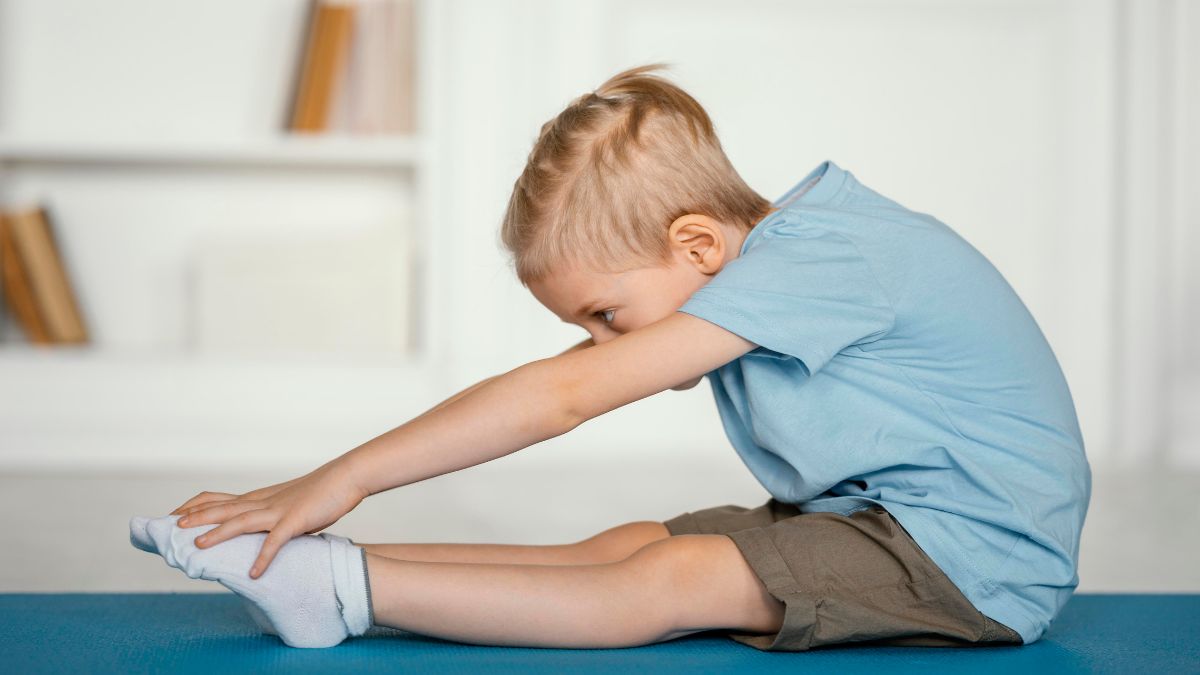
- Yoga poses: Wall push-ups, bear hugs, or stretches
- Pushing and pulling: Moving chairs, furniture, or heavy carts
Stimulating Activities
- Jumping and bouncing: Trampolines or exercise balls
- Heavy work: Carrying books, moving boxes, or household tasks
- Obstacle courses: Crawling, climbing, and balancing
- Resistance exercises: Pushing against walls or using resistance bands
- Sensory swings or hammocks: Provide deep pressure and full-body movement
These activities help children with autism improve coordination, body awareness, and emotional regulation while engaging in enjoyable exercises.
Occupational Therapy for Proprioception

Occupational therapists (OTs) play a key role in supporting proprioception autism differences. They assess, plan, and implement strategies tailored to each child’s sensory profile.
Strategies Used by OTs
- Sensory diets: Personalized schedules of activities providing proprioceptive input throughout the day
- Proprioceptive tools: Weighted backpacks, compression vests, therapy balls, or balance boards
- Collaboration: Working with educators, speech therapists, and physical therapists to create holistic plans
By using these strategies, OTs help children regulate their sensory experiences and enhance participation in daily life.
Assessing Proprioceptive Difficulties
Understanding proprioception autism challenges requires proper assessment. The Comprehensive Observations of Proprioception (COP) scale is widely used for children with autism. It evaluates:
- Motor planning and execution
- Force regulation
- Repetitive movements like tiptoeing or crashing into objects
Studies show children with autism demonstrate unique proprioceptive patterns distinct from those with other developmental disabilities or typical development (Imperatore Blanche et al., 2012).
For example, a child who frequently bumps into walls or struggles to pour a drink without spilling may show atypical proprioceptive patterns identified through COP assessment.
Assessments guide intervention strategies to improve body awareness, coordination, and engagement.
Sensory Integration
Proprioception works alongside other senses like vestibular (balance) and tactile (touch) to create sensory integration. These interconnected systems allow children to respond to their environment smoothly. Dysfunction can lead to challenges in motor planning, attention, and behavior.
Sensory Integration Techniques
- Pressure-touch activities: Firm, deep pressure to calm or alert the nervous system
- Movement-based activities: Crawling, swinging, or bouncing exercises
- Auditory stimulation: Background music or rhythmic sounds combined with proprioceptive input
These techniques improve sensory processing, helping children engage confidently in school, play, and daily routines.
Signs of Proprioceptive Processing Differences
Some observable indicators include:
- Biting or chewing on objects
- Hyperextending joints or stiff postures
- Preference for heavy work or crashing into objects
- Walking on tiptoes or rough play
- Difficulty with balance or reaching tasks
Children with under-responsive proprioception may actively seek these sensations, while oversensitive children may avoid them. Recognizing these signs is key to providing appropriate sensory activities.
Practical Tips for Incorporating Proprioceptive Activities
When designing activities, consider:
- Purpose: Is the goal to calm or stimulate?
- Timing: Introduce activities before anxiety or disengagement occurs
- Frequency: Short, consistent sessions are more effective than long periods
- Location: Determine if the activity should be indoors, outdoors, or at a desk
Tailoring activities ensures children receive the sensory input they need without feeling pressured or overwhelmed.
Fun Proprioceptive Games
- Animal Movements: Frog leaps, bear walks, crab walks, gorilla shuffles
- Jumping Games: Trampolines, starfish jumps, cheetah runs
- Heavy-Duty Tasks: Pushing wagons, gardening, carrying books or objects
- Oral-Motor Play: Chewing gum, thick milkshakes, or bubble blowing
Creative play turns proprioceptive input into a fun, engaging, and meaningful experience.
FAQ: Understanding Proprioception in Autism
- Can differences in proprioception affect speech and voice volume?
Absolutely! Proprioception helps control small movements in the jaw, tongue, and diaphragm needed for speech. If someone is under-responsive, they may not sense how loud they are speaking. This can lead to talking too softly or too loudly.
- Is there a connection between proprioception and fine motor skills like handwriting?
Yes. Proprioception guides your hand on how much pressure to use when holding a pencil or coloring. Differences in this sense can cause poor grip, heavy-handed writing, or too much erasing.
- How can I tell if an activity gives the right proprioceptive input?
Watch for behavior changes after the activity. A sensory seeker may become calmer, more focused, and less restless. A sensory avoider might seem grounded, less anxious, or more willing to engage. These are signs the activity worked well.
- Does proprioceptive input help manage big emotions like frustration or anger?
It can. Intense physical input, like pushing a heavy box or squeezing a stress ball, works the large muscles. This can release tension and help the nervous system settle, making emotions easier to handle.
- Are oral-motor activities, like chewing gum or crunchy food, proprioceptive?
Yes. The jaw and mouth have many proprioceptors. Chewing gives deep-pressure input that can be calming and organizing, especially when a child needs to sit still in a classroom or waiting room.
Helping Children Thrive Through Movement and Awareness

Proprioception shapes how children with autism experience their bodies and the world. Actify ABA understands these proprioception autism differences. We provide strategies, activities, and therapies that support coordination, regulation, and engagement.
Daily proprioceptive activities let children explore movement, sensation, and self-awareness in a playful way. This builds confidence and independence over time. Families in Maryland can benefit from guidance tailored to each child’s unique needs. From structured therapy sessions to simple daily exercises, children can grow through hands-on learning. To see how your child can thrive, reach out to us at Actify ABA. We guide families every step of the way. With the right approach, proprioception opens doors to joy, learning, and meaningful connection.
